
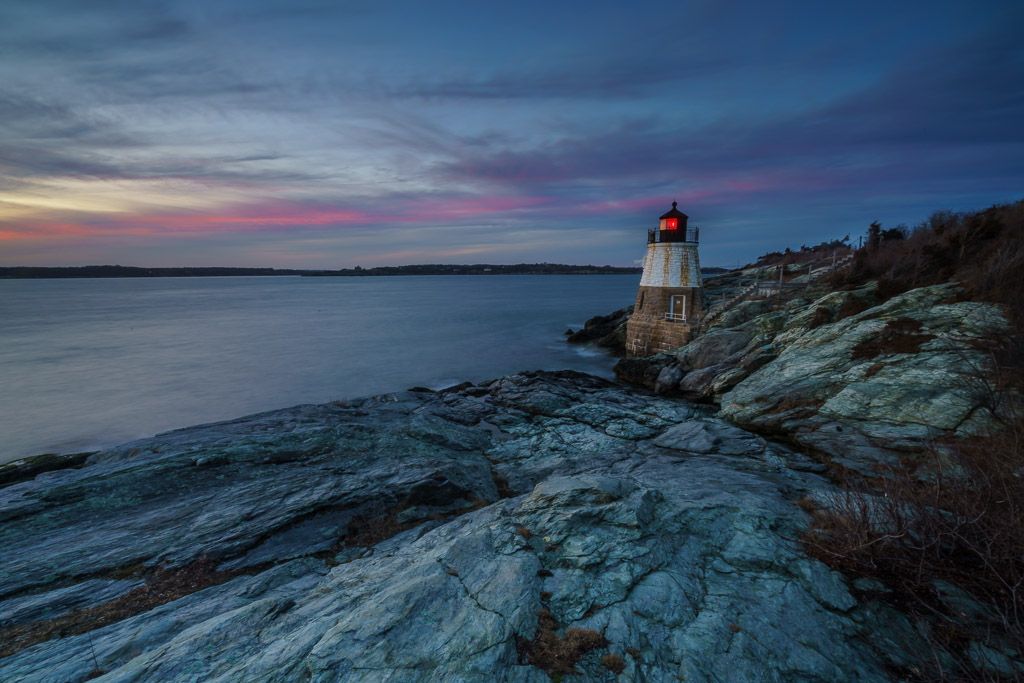
Your images are great, but they don’t have that wow factor you see in the shots from the pros. The skies aren’t quite deep enough, the water looks flat, or the reflections steal the attention from your subject. If that sounds familiar, a circular polarizer might be the secret weapon you’ve been missing.
The Circular Polarizer: Small Tool, Big Impact
A circular polarizer (CPL) is a simple glass filter that screws onto the front of your lens—but its impact is anything but simple. With a quick twist, it can cut glare from water and wet rocks, deepen the blues in your skies, and boost contrast in your landscapes. It’s an essential part of any seascape photographer’s kit.
How a CPL Works
- Control Reflections and Glare
Shiny surfaces, from glassy water to wet rocks, can create distracting reflections. Point your lens toward the sun, rotate the polarizer, and watch the glare soften or disappear. The result? Water that looks clear, textured, and full of life. - Make Colors Pop
Point your camera 90 degrees to the sun and rotate the polarizer. Blues darken, greens become richer, and clouds stand out with incredible contrast. It’s an instant upgrade that transforms “nice” images into ones that grab attention.
Polarizer Examples
Watch this quick video and check out what happens to the color of the sky and the “pop” in the clouds as I turn the polarizer.
And in the next video keep your eye on the water, how it changes as I rotate the polarizer.
In both videos I rotated the polarizer multiple times so you could see the affect as it changes multiple times. This is one of those things that is kind of like cooking – you season to taste. Sometimes you use a little garlic, sometimes you use a lot. I tend to use a lot of garlic, and a little bit of circular polarizer
Choosing a Circular Polarizer
Before you can work magic with a circular polarizer, you’ve got to make sure you pick the right one. Luckily, choosing a CPL isn’t complicated — it’s just one of those “measure twice, click once” situations.
Match the Filter to Your Lens Size (Measured in mm)
Every lens has a specific filter size, measured in millimeters, and your polarizer must match it exactly.
You’ll usually find the size:
- Printed on the front of the lens
- Or stamped inside your lens cap
It’ll look like this: Ø72mm, Ø77mm, Ø82mm, etc.
Just match the number. No adapters, no guesswork, no stress.
Buy Quality Once… and Cry Once
Let’s be honest: putting a cheap filter on a good lens is like sticking plastic wrap on the windshield of a Ferrari — technically possible, catastrophically dumb.
A circular polarizer is another piece of glass your image must travel through, and if that glass is low quality, your image will show it. Cheap filters can cause:
- Weird color casts
- Loss of sharpness
- Hazy images
- Flare and ghosting
- Uneven polarization
- And in extreme cases — actual cross-hatching on wide-angle lenses
That’s why photographers swear by the phrase:
Buy once, cry once.
Invest in quality upfront, and you’ll never regret it.
Look for Multicoating (Your Future Self Will Thank You)
A good CPL should have multi-coating — multiple protective and optical coatings baked into the glass. They help with:
- Reducing reflections on the filter itself
- Cutting down on flare
- Improving contrast
- Protecting the filter from scratches, salt spray, and fingerprints
In other words: multicoating keeps the filter acting invisible, which is exactly what you want.
Good Brands To Trust
You don’t have to break the bank, but you should stay in the trusted zone. Some photographer-approved options include:
- B+W MRC or MRC Nano
- Hoya HD or Hoya HD3
- Breakthrough Photography X4 CPL
- NISI Pro+ CPL
If you see filters for $20 on Amazon promising “pro level results”… run. Point your browser to B&H Photo, they have a great selection of quality circular polarizers to choose from. That’s how you end up emailing me saying, “Mike… why is my sky striped like a barber pole?”
Tips for Using a Circular Polarizer
- Less is more: On wide-angle lenses, overdoing it can create uneven skies. A subtle touch usually works best.
- Check exposure: CPLs reduce light by 1–2 stops—adjust your settings to compensate.
- Rotate gently: Watch the effect in your viewfinder and stop when it looks natural.
- Use creatively: Decide whether you want to reduce glare, enhance color, or a bit of both.
From the Beach to Lightroom: I Can Help You Unleash Your Photography
Photography isn’t about complicated lectures or intimidating classes. It’s about capturing what you see and feel—and having fun doing it. Whether you’re shooting the waves crashing on the Narragansett coastline, chasing sunset reflections, or tweaking your images in Lightroom, I can guide you. Together, we’ll explore the tools and techniques that make your images stand out—easy, simple, and conversational.
Final Thoughts
A circular polarizer isn’t just a filter—it’s a creative tool that lets you shape light and color to match your vision. Used thoughtfully, it can elevate your seascapes, bringing depth, clarity, and drama to every shot. Remember: a little goes a long way, and sometimes subtlety creates the biggest impact.
Ready to make your skies bluer, your water clearer, and your seascapes truly pop? Let’s grab a camera and start turning those visions into images.

Your Journey Awaits
I’ve wandered the shorelines, captured the light, and yes—I drink way too much coffee. Let me help you create your story.
