
Night Photography: Long Exposure Tips for Beginners
Are you stuck in the dark and want to shoot the night with confidence?
Most people pack up their cameras as the sun slips below the horizon, convinced the day’s light show is over. But that’s when the magic begins. The stars awaken, the city glows, the water reflects secrets—and with a little know-how, you can capture it all. Whether you’re shooting a sparkling skyline or the quiet pulse of the sea, these night photography long exposure tips for beginners will help you master light, even when it feels like there isn’t any.
Why Night Photography is Worth Staying Up For
When daylight fades, photography becomes a different kind of art. The world slows down. Colors soften. Lights stretch and shimmer.
Night photography lets you record light over time—painting with it instead of just freezing it. There’s less light available, sure, but the principle stays the same: let it in longer. Every image becomes a little collaboration between patience, precision, and magic.
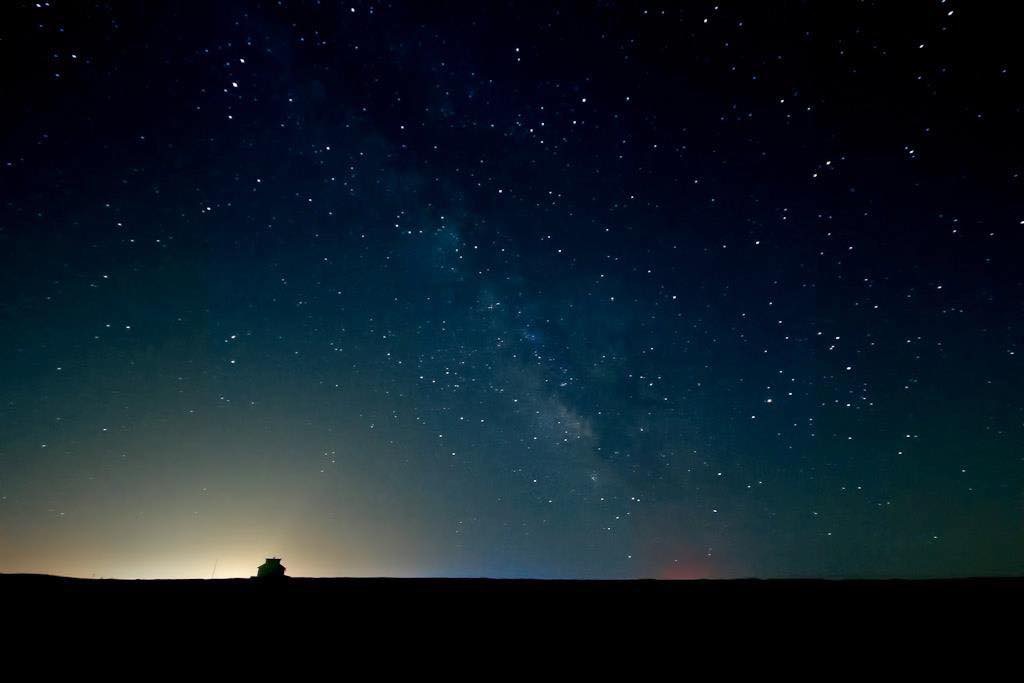
Essential Gear for Long Exposure Night Photography
Before we start twisting dials and chasing stars, let’s talk tools. You don’t need a spaceship full of gear—just a few essentials that make or break a night shot.
Keep It Still: The Tripod
If your camera moves even a fraction during a 30-second exposure, you’ll turn crisp into mush. A sturdy tripod is non-negotiable for long exposure night landscape photography. It anchors your vision—literally.
Trigger the Shutter Without Touching It
A cable release, remote trigger, or phone app keeps you from jostling the camera when you press the shutter. This tiny tool makes your life easier and your images sharper.
Unlock the Magic: Bulb Mode and Intervalometer
Most cameras max out at 30 seconds. Need two minutes? Five? Switch to Bulb mode and take control of time itself. Pair that with an intervalometer if you want to automate exposures or create dreamy night sky star trail photography sequences.
Dialing In the Right Settings
Now that you’re steady and ready, let’s dance with the settings—ISO, aperture, and shutter speed. This is where the magic happens.
Go Manual
Auto mode gets confused in the dark. Manual or Bulb mode is your new home base. It might feel intimidating at first, but once you see what control gives you, you’ll never go back.
The High ISO Baseline Trick
Here’s a pro move: set your ISO high (around 3200) to take a quick test shot. The camera meters the exposure, and you can see what works—say 4 seconds at f/8. Once you have that baseline, lower your ISO to 100 or 200 for cleaner images. Every time you halve your ISO, double your shutter speed.
So that 4 seconds becomes 8, then 15, 30, 60, 120… until the math brings you to perfection. It’s efficient, consistent, and saves guesswork in the dark.
Aperture and Shutter Guidelines
- Aperture: Try f/8 to f/16 for landscapes or cityscapes.
- Shutter: Adjust until your highlights glow and shadows whisper, not drown. For star trails, you might need minutes—or hours.
- ISO: Keep it low for best image quality once you know your light.
Noise and Patience
High ISO equals more noise. That’s why long exposures at low ISO are so powerful: cleaner, crisper, dreamier. It’s a trade-off, but worth the wait.
Composition and Planning for Night Shots
You’ve got the gear and the settings—now let’s make it beautiful.
Scout Before Dark
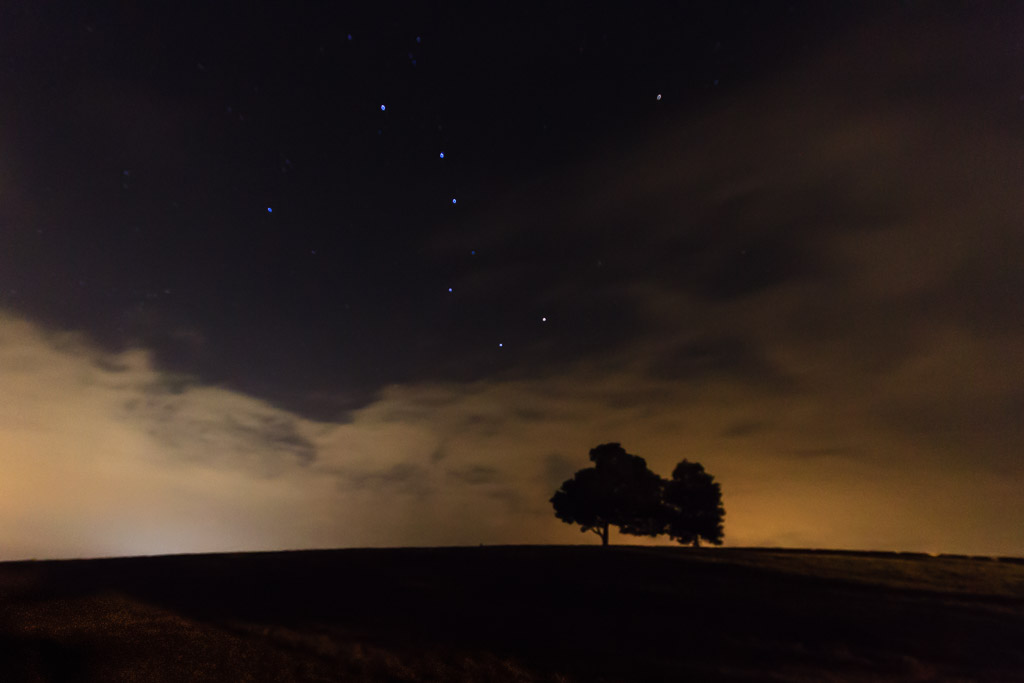
Arrive while there’s still a hint of light. Frame your scene before the night fully takes over. Check where the moon rises, what the tide’s doing, where the glow of city lights might add depth or distraction. Apps like PhotoPills or Stellarium can help.
Choose a Strong Scene
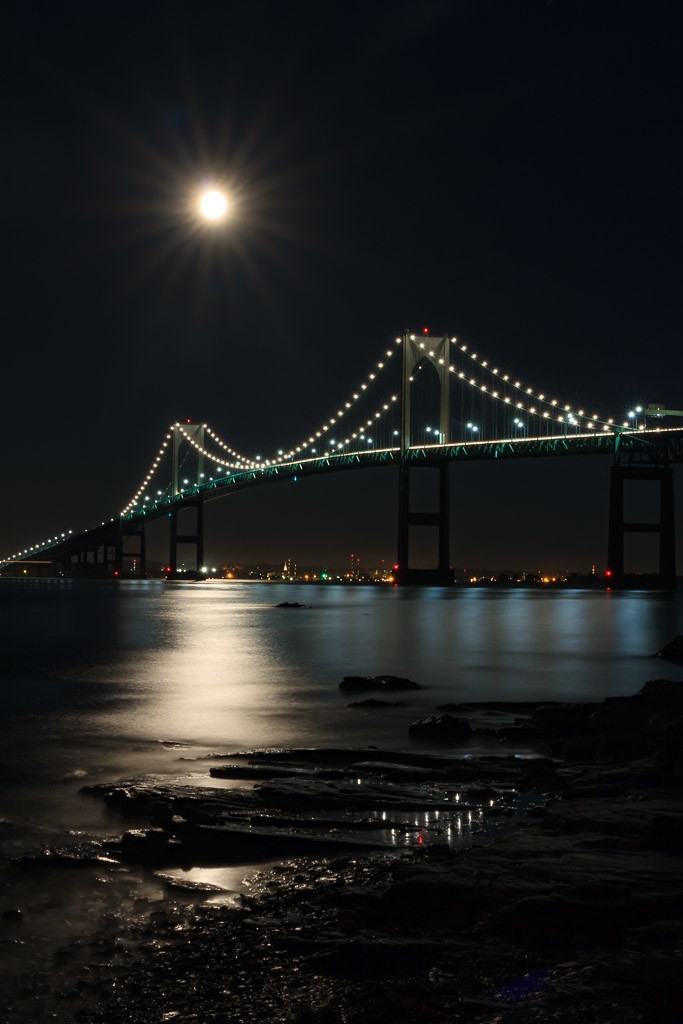
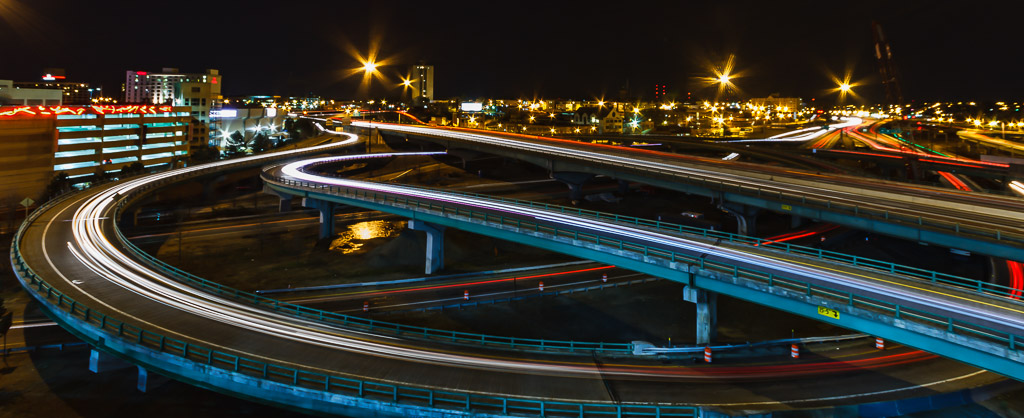
Great night photography long exposure landscapes often combine still and moving elements: a lighthouse and crashing waves, a rock and streaking clouds, a pier and drifting reflections. Movement gives life to stillness.
Compose with Intention
- Use leading lines like roads or shorelines.
- Add foreground anchors (a rock, a silhouette, a reflection).
- Keep your brightest light source from overpowering the frame.
- Experiment with symmetry—reflections double the drama.
Example: The Beach at Night
One of my favorite experiments started on a quiet beach long after sunset. I set my aperture to f/8 and ISO 3200. The meter suggested 4 seconds.
From there, I dropped to ISO 100 and calculated the new shutter speeds: 8, 15, 30, 60, 120 seconds. I switched to Bulb mode and opened the shutter for two full minutes. The result?
The softest movement of waves, a sky gently streaked with stars, and rocks glowing in moonlight like they’d been brushed by silver. That’s the gift of night photography—you trade time for beauty.
Practice Makes Perfect (Even Indoors)
You don’t need a starry sky to practice. Dim a room, grab a flashlight, and experiment. Use your High-ISO test method. Try different apertures. Practice switching to Bulb mode without fumbling.
When you head out for the real thing, you’ll feel confident, not confused.
Common Mistakes to Avoid
- Touching the camera during long exposures.
- Forgetting to turn off image stabilization on your tripod.
- Leaving Auto ISO on.
- Ignoring your composition in favor of “just testing.”
The dark is forgiving, but preparation is everything.
Final Thoughts
Night photography isn’t about perfection—it’s about presence. It teaches you to slow down, to wait, to see what others walk past.
With the right tools and patience, you’ll discover a world that glows softly just beyond ordinary sight. The next time the sun dips low, don’t pack up—stay. Let the night show you what light can really do.
Try your first long exposure this weekend. Share it, celebrate it, and remember:
From printer to wall—farm to table for your soul.
Landscape Gallery
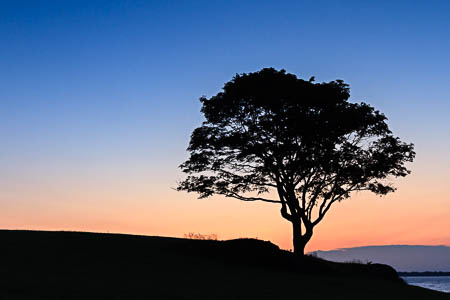
Wander Through Quiet Horizons
Seascape Gallery
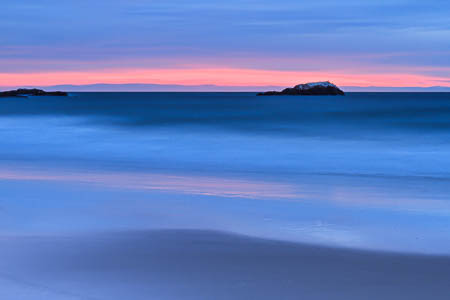
Dive Into the Seascape Pool
Still Life Gallery
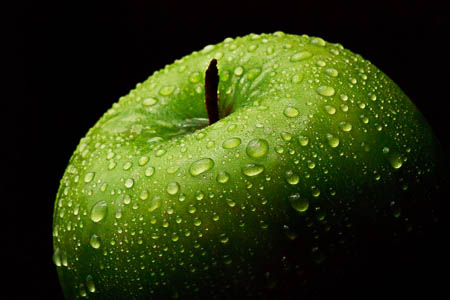
Bite Into the Beauty
Icons Life Gallery
Icons & Oddities
Night Gallery
Wander Around in the Dark
Your Journey Awaits
I’ve wandered the shorelines, captured the light, and yes—I drink way too much coffee. Let me help you create your story.