
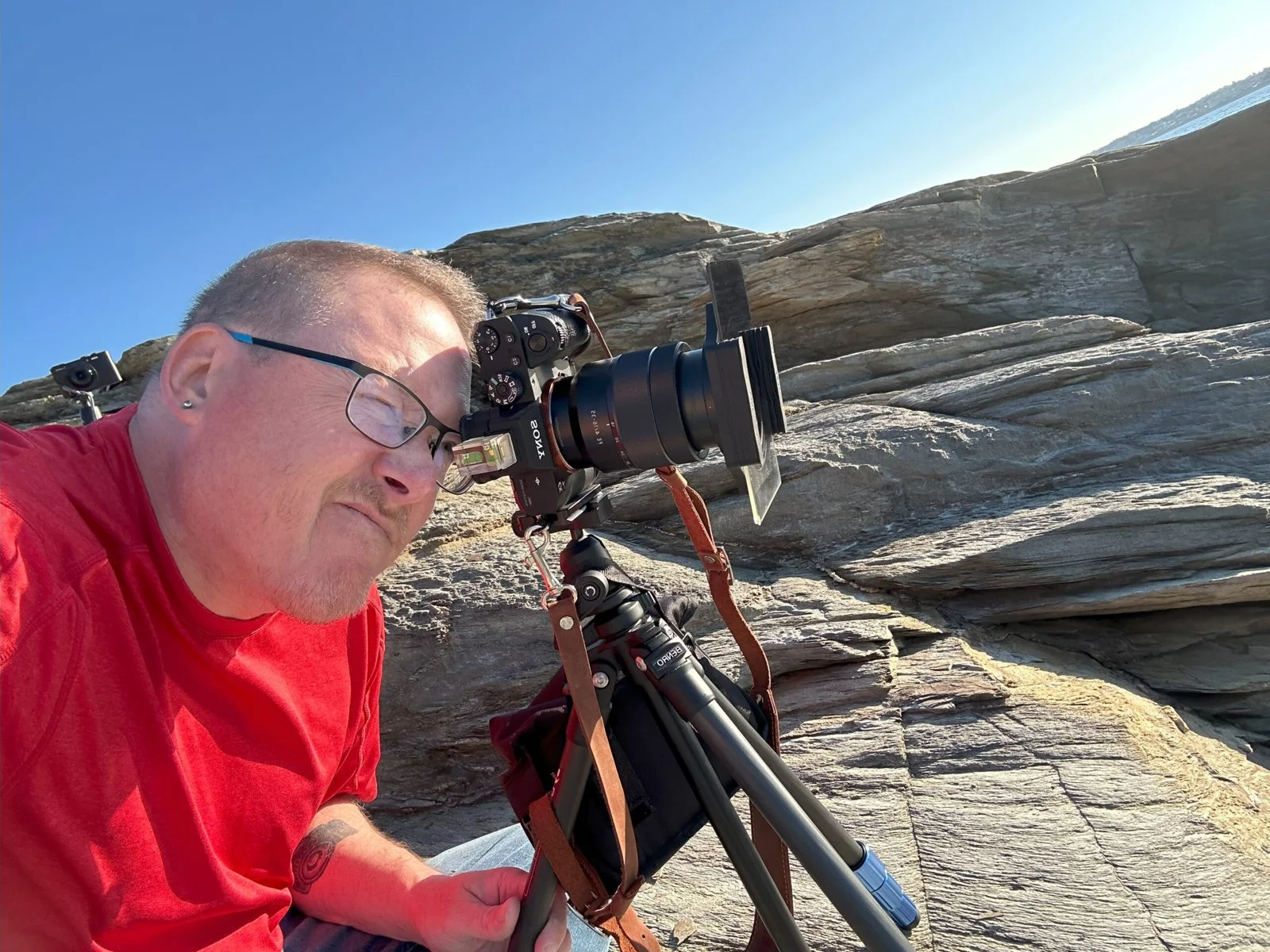
Mike Dooley looking through his camera on a tripod on the rocks at Beavertail State Park in Jamestown, Rhode Island.
Landscape Photography

Always Take Your Camera

Keep a Camera Handy for the Unexpected Shot As a fine art photographer I spend a lot of time researching and planning a shot — scouting a location, then timing a visit for when the light will be right. That approach works well, but sometimes the light shows up when you weren’t planning on shooting
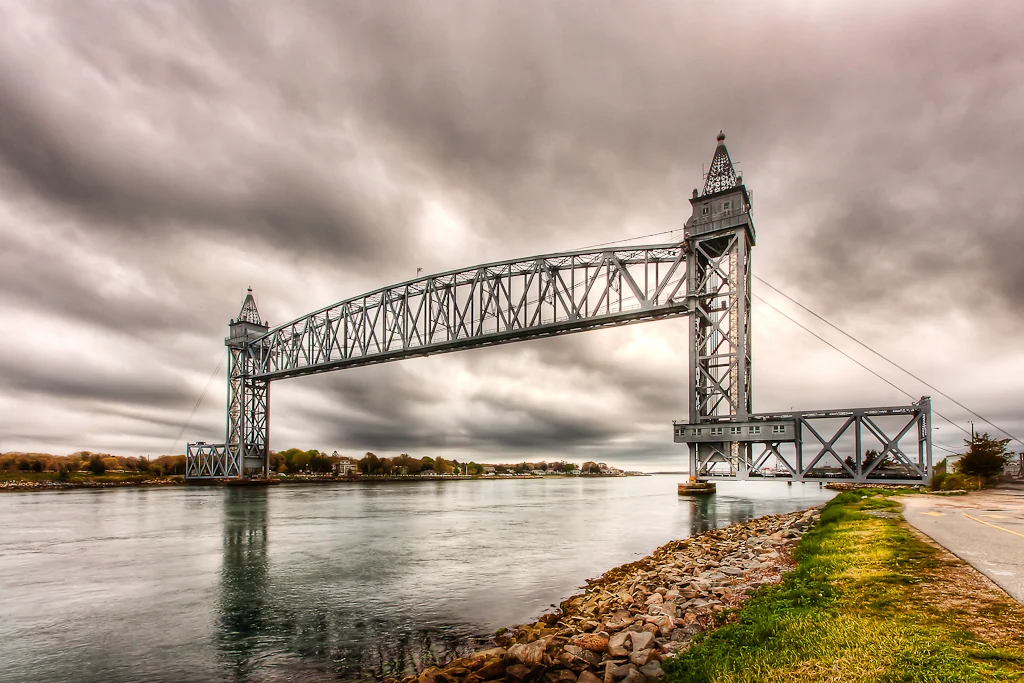
Cape Cod Canal railroad lift bridge under stormy skies, Massachusetts, fine art photograph by Mike Dooley
Landscape Photography

Stormy Skies!

A Sunday morning started out looking pretty rough — dark skies, driving rain, heavy wind. As the day went on the rain stopped and the wind died down, but the sky stayed gray and ominous. That’s often when things get interesting. Driving Route 6 toward Cape Cod, I spotted the Cape Cod Canal Railroad Bridge

photography

Shutter Speed and Creativity

When people think about creativity in photography, shutter speed usually isn’t the first thing that comes to mind. Maybe it should be. To me, photography is about grabbing a moment and a feeling and holding onto it. A lot of what we want to record isn’t static — the world is full of motion, and

photography

Aperture and Creativity

Last time we covered the three settings — aperture, shutter speed, ISO — that combine to create one ideal exposure for a scene. Today, a closer look at aperture specifically. Different f-stops let in different amounts of light — f/2.8 lets in a lot more than f/22. The smaller the number, the bigger the opening,

photography

Exposure Explained

A friend once asked me why anyone would shoot in Manual mode when a camera takes great pictures on Automatic. Fair question. My answer: in Manual, the camera is taking the picture I actually intended. This post is meant to introduce the basics of exposure in a way that’s easy to follow, not intimidating —

Scroll to Top